Two-way

E-commerce and marketplace compliance in Türkiye

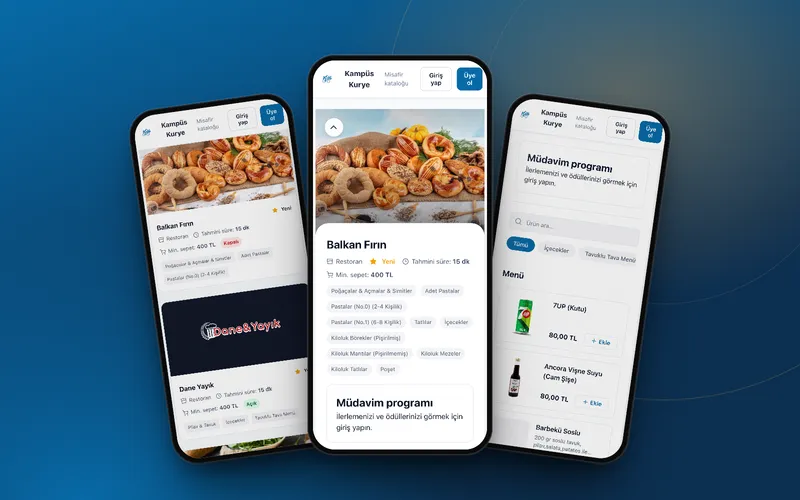
We went through the legal steps of selling online on our own platform, Kampüs Kurye: registrations, contracts, payment-provider applications. We set up the same steps in your product, screens included.

What we do

We handle the legal side with a team that knows how the product works, on the same plan as the product.

Legal side

  • ETBİS registration and complete seller information on the site
  • Distance-sales contract, pre-contract information form and terms of use
  • Right of withdrawal, returns and exceptions set up correctly
  • Marketplace model: separating intermediary and seller roles
  • Choosing a payment provider and preparing the application
  • Commercial e-message consent (İYS) and KVKK documents

Product, technology and design side

  • Cart, checkout and confirmation screens designed with the required information
  • VAT-inclusive prices, seller details and order summary
  • Web and mobile apps, App Store and Google Play releases
  • Automating ordering, delivery and support

Good to know

  • First, define your role

    Law No. 6563 distinguishes an e-commerce service provider selling its own products from an intermediary service provider enabling others' sales. A 2022 amendment added obligations for marketplaces that scale with transaction volume. Contracts, payment flows and responsibilities follow from that role.

  • Collecting money for others needs a licence

    Collecting payment for your own sales is different from collecting money on behalf of sellers on your platform. Under Law No. 6493, collecting and passing on payments for others must run through licensed payment institutions or banks. Trying to run marketplace collections through a standard virtual POS is a frequent reason applications get rejected.

  • Pre-contract information starts on screen

    The Distance Contracts Regulation requires consumers to receive seller, product, total price, payment, delivery and withdrawal information before the contract. Showing it in the right place and order on the checkout screen matters as much as the text itself.

How we work

  1. Intro call

    We clarify your goal, timeline and critical risks together, in English or Turkish.

  2. One roadmap

    We write the legal, technical, design and operational steps into a single plan, each with an owner and a date.

  3. Execution

    Formation, contracts, product and brand work run in parallel. Work that requires a lawyer is done with independent legal professionals on BEG Hukuk.

  4. Ongoing support

    We stay with you after launch: compliance updates, new markets, product development.

Frequently asked questions

These answers are general information and are not legal advice for your specific situation.

Which registrations are needed to start selling online in Türkiye?

Besides company and tax registration, e-commerce service providers and intermediary service providers register with ETBİS. Sending commercial e-messages requires registration with the Message Management System (İYS) and recipients' consent, and processing personal data triggers KVKK obligations.

Does the right of withdrawal apply to every product?

No. As a rule consumers can withdraw within 14 days without giving a reason, but the regulation lists exceptions such as perishable goods, personalised products and some digital content and services performed immediately. Exceptions must be shown clearly in the pre-contract information.

How should a marketplace take payments?

If you collect on behalf of sellers, work with a licensed payment institution or bank that offers a marketplace solution. A set-up where money first lands in the platform's account and is then distributed to sellers can count as a payment service that needs a licence. We map the payment flow together before you apply.

Can a foreign company sell online in Türkiye?

Yes, but consumer law, e-commerce rules and KVKK apply when selling to consumers in Türkiye. Cross-border sales without a Turkish company are possible, but tax, payments and returns need separate planning. A local company often makes payments and operations easier.

Let's talk about your next step on this.